
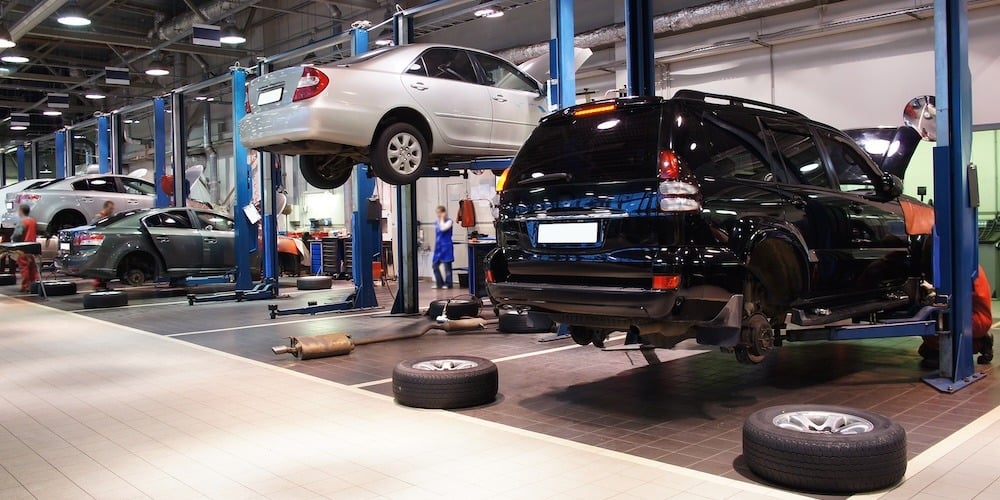
As the automobile industry and the design trends continue to evolve, contemporary design of auto repair shops is being required to provide superior customer service while maintaining effective operations. Modern designs for automobile repair stores are transforming service delivery by incorporating cutting-edge technology, optimizing workspaces, and establishing welcoming environments that cater to a wide range of clients.
We’ll examine the most important components of designs for auto repair shops that are efficient, including back-of-the-shop configurations, waiting area setups, and strategically designed service marketing.
- Back of the Shop
- Waiting Rooms
- Advertising Your Services and Expertise
- Conclusion
Back of the Shop
The foundation of every auto repair shop is its technicians and bays. Modern shops are equipping their facilities with the latest equipment and tools in order to keep up with technological advances and improve the service they provide. A significant advancement can be found in the utilization of tablet computers to conduct car inspections using digital technology.
A tablet equipped with the AutoVitals App for Digital Vehicle Inspection will simplify the process of inspection and allow technicians to swiftly and accurately examine the condition of a vehicle, record findings, and then communicate with clients.
Digital Inspections of Vehicles Provide a Variety of Benefits:
- Efficiency: Technicians can complete inspections more quickly and with greater precision.
- Transparency: Customers get detailed reports that include videos and photos, improving confidence and understanding.
- Paperless Back Shops. Each service representative has experienced the agonyof trying to discern the advice of a technician by examining oil marks on a checklist made of paper. Digital vehicle inspections remove the need to keep paper in the workshop. They ensure that records are clean and easily accessible for storage and retrieval, making it easier to follow up on services and monitoring maintenance.
In embracing these new technologies, contemporary auto repair shops don’t just increase their operational efficiency, but also enhance the overall experience for customers.
Essential Equipment for Modern Auto Shops:
- Transmission Jack: To work on car transmissions.
- Brake Lathe to handle brake resurfacing on-site.
- Caddy for oil drain and Caddy to ensure secure handling and disposal of oil used.
- Strut Compressor to ensure secure and effective suspension repair.
- AC Machines: Used for maintenance of vehicle A/C systems.
- Air Compressor Essential to operate pneumatic lifts and tools.
- The Lift for Vehiclesis centrall to inspect and fix the undersides of vehicles.
- Batteries Charger: Much more sophisticated than the standard jumper cables used to solve battery problems.
- Jack Stands: To safely support vehicles during repairs.
The incorporation of these elements and equipment will ensure the shop is equipped to tackle a range of repairs to vehicles efficiently.
Modern Layout Tips:
- Prioritize Space: Reserve permanent space for the most important equipment, such as lifts, air compressors,s and pits for service.
- Organise Parts Storage: Organize parts storage using shelves labeled to facilitate access.
- Employee Break Zones: Designate zones for comfortable breaks to boost the morale of employees and increase productivity.
- Utilize Technology to Improve your Business: Use digital tools to inspect and workflow management to increase the efficiency of your business.
Implementing these components can improve efficiency, speed up workflows,ws and let employees know they are appreciated.
Front of the Shop
As well as making a paperless back shop that can be equipped with digital vehicle inspections, our digital record keeping can also enhance the appearance and function of the front shop. If you haven’t yet, think about the addition of a shop management software to digitally record your invoices and estimate processes.
Also, having a paperless dispatching and work order system will allow the service advisers in your shop to allocate tasks to technicians without the need to move paper from the front of the shop to the rear of your shop. While improving the productivity of your business and ensuring the most secure and modern check-in for customers. To create a paper-free front-end shop, your staff will require the following tools:
- Digital Shop Management System: (Point-of-Sale) This will enable the service advisers of your company to prepare estimates, bill customers, and even order parts online.
- Two Monitors for a Service Advisor: The idea of equipping each of your advisors to service with two monitors allows them to have their point of sale running on one monitor while using the second monitor for analyzing estimates with the customer, and more.
- The Digital Work Order Dispatching System: Numerous systems, such as Automated Vitals’ workflow management allows the service advisers of your company to distribute work to your technicians electronically. This means that there is no requirement for a paper rack at the shop’s front ait nd informs customers that you’re a modern repair shop that invests in the most advanced technology.
Waiting Rooms
The waiting area is an essential part of a repair shop for automobiles. It is a client’s first impression, and also reflects the firm’s dedication to providing customer service. Modern Auto Repair Shop designs are focused on ease of use, comfort, and a sense of engagement, creating spaces that cater to various segments of the population.
Additionally, a lively and comfortable waiting room can allow customers to put down the clock, which eases the stress on your service advisers and technicians.
Families:
A waiting room must be a warm and welcoming spacethath keeps adults and children happy and entertained. Some of the features could include:
- Play Spaces: Clean and safe play areas equipped with books, toys, and games that are interactive.
- Plenty of seating for caregivers and parents.
- Refreshments: Kid-friendly snacks as well as drinks.
- Entertainment: Televisions featuring children-friendly programming as well as Wi-Fi that is free.
Working Professionals:
Working professionals typically require an area in which they can do the work they are doing while waiting. The ideal waiting room for this group includes:
- Quiet Zones: Designed quiet zones with comfortable seating.
- Workstations: Workstations and desks equipped with outlets for power and charging stations.
- Wi-Fi Access: High-speed internet for remote work.
- Coffee Stations: Premium beverages and coffee to boost productivity.
College Students:
Students at colleges appreciate spaces that are useful and entertaining. The most important features are:
- Study Spaces: Quiet areas with tables and seating to study.
- Entertainment: TVs that show movies and Wi-Fi for free.
- Refreshments: Snacks and drink alternatives.
Elderly Population:
Comfort and accessibility are important factors for older customers. A waiting area that is suitable for this group of people includes:
- Ergonomic seating: Cushioned chairs with armrests, as well as back support.
- Accessibility: Easy-to-use spaces with accessible toilets.
- Reader’s Materials: A collection of magazines and large-print books.
- Refreshments: Open-top drinks and snacks.
City vs. Rural:
The area of the auto repair shop for autos also affects its appearance. The city shops may be a focus for the efficiency of space and modern design, while rural establishments could have a more cozy, comfortable ambience.
- The City Sleek styles with minimalist furniture, possibly even a tiny café. The minimalist art, modern lighting fixtures, and sleek lines create an elegant and polished appearance.
- Rural spacious seating areas and a warm ambience. A bulletin board for the community can help customers engage with the business and create an atmosphere of community by providing local news and events.
Mixed Demographic:
Shops with a diverse customer base need waiting rooms that are flexible to accommodate a variety of demands:
- Zoned Areas: Separate zones are designated for professionals, families, and other types of people.
- Flexible Furniture: Furniture that can be moved around according to the needs.
- Different Refreshments: A large assortment of beverages and snacks catering to various diet preferences and food allergies.
Advertising Your Services and Expertise
To ensure that customers are engaged and build trust Modern auto repair shops must effectively promote their services and know-how throughout the facility. Here are a few strategies:
- Digital Display: Screens are used to show information and services, as well as educational content on maintenance for your vehicle, like your BayIQ reward program and special offers.
- Informational Signage: Professional and clear signage that focuses on the key services and certificates.
- Customer Testimonials: Show reviews and testimonials to establish credibility.
- Staff Interaction: Inspire personnel to let customers know of the services available during interactions.
- Service Menus: Print and digital service menus that outline the services and prices.
Integrating these elements into your auto repair shop’s design not only improves the experience for customers but it will also helps build your reputation for professionalism and quality.
Conclusion
Modern designs for auto repair shops transform the business by using advanced technology, improving productivity of the workspace,e and creating customer-centric environments. By enhancing areas of the store’s back, caterintoor a variety of populations in waiting rooms and utilizing strategically-designed advertising services, es auto repair shops can prosper in a competitive market by delivering outstanding quality and customer satisfaction.
For more information on ways to improveyour customers’ satisfaction, ask for a demo of BayIQ’s loyalty program.